How Therapy Can Support Postpartum Recovery Beyond the Physical
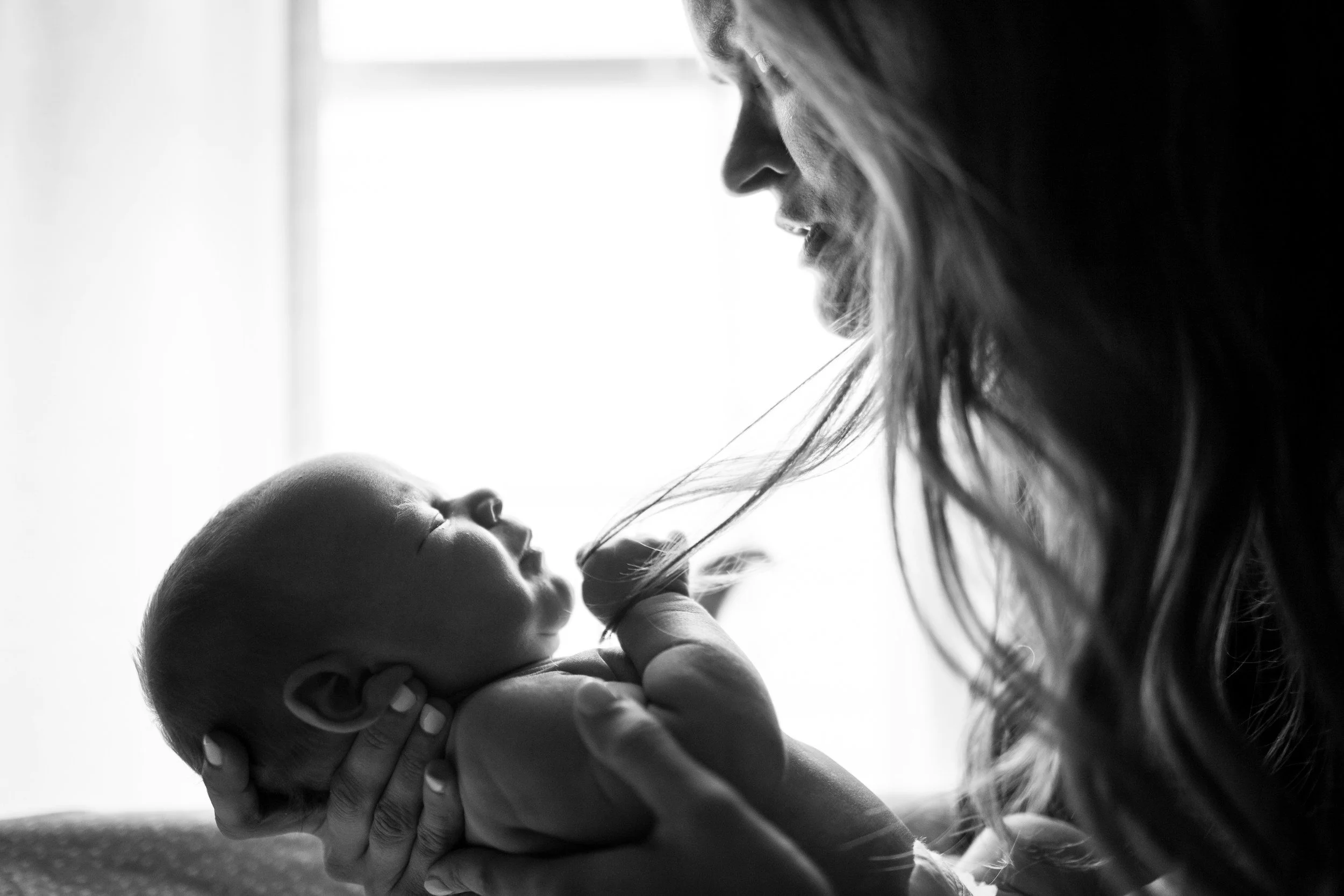
Bringing a baby into the world changes everything — your routines, your body, your relationships, and your sense of self. While most postpartum care focuses on physical recovery, emotional healing is just as essential. The truth is, recovery after birth isn’t only about how your body feels — it’s also about how you feel inside.
At Orange County Therapy, we often work with new mothers navigating the complex mix of joy, exhaustion, guilt, and anxiety that can come with this life transition. Whether you had an uncomplicated delivery or faced birth trauma, your emotional wellbeing deserves the same attention as your physical healing.
The Overlooked Side of Postpartum Recovery
After birth, the body begins a remarkable process of repair. Hormones shift, tissues heal, and sleep becomes scarce. Amid the check-ups and recovery plans, it’s easy to miss the emotional impact that follows. At Tonic & Phasic Holistic Pelvic Health, they share about the more physical part of postpartum recovery. Learn more here.
However, many new mothers say they feel disconnected, anxious, or even numb — but dismiss those feelings as “just hormones.” While mood changes are normal, persistent sadness, worry, or irritability can signal deeper emotional strain.

Common emotional experiences after birth include:
Feeling pressure to “bounce back” physically or emotionally
Changes in body image or identity
Fear or intrusive thoughts about your baby’s wellbeing
Loss of independence or shifts in your relationship
Lingering guilt or shame about the birth experience
These feelings don’t mean you’re failing as a parent — they mean you’re human.
When Emotional Healing Gets Stuck

Sometimes emotional recovery lags behind physical healing. This might look like:
Constant overwhelm despite family support
Difficulty bonding with your baby
Unexplained crying or irritability
Nighttime anxiety that keeps you awake
Avoiding intimacy or touch due to discomfort or trauma
If these symptoms persist beyond a few weeks, you may be experiencing postpartum depression or postpartum anxiety, which affect roughly one in seven mothers. We should never ignore when we aren’t feeling our best or feeling “off.” Often mothers will trick themselves into thinking their feelings are less than they are, which is part of postpartum hardship. The good news: both postpartum anxiety and depression are highly treatable with professional support.
The Mind–Body Connection
Your body holds emotion. When we experience fear, guilt, or grief, that tension can manifest physically — especially in areas affected by childbirth. Pelvic pain, tightness, or even trouble relaxing the body can sometimes mirror emotional stress. This study, Physical manifestations of stress in women (PLoS One, 2024, via PubMed), looked at how a sustained state of stress affects the body, measuring muscle tone in the jaw and pelvic floor alongside perceived stress and anxiety scores.
A therapist can help you reconnect with your body gently and safely, using mindfulness, grounding, and self-compassion tools that complement physical rehabilitation. Healing emotionally can make physical therapy more effective, and vice versa.
Rewriting the “Bounce Back” Narrative
In Orange County’s fast-paced culture, many mothers feel pressure to look and feel “normal” again right away. But recovery isn’t linear — it’s layered, personal, and deeply human. Therapy helps you slow down, tune in, and redefine what healing means for you.
You’re not just recovering from birth — you’re growing into a new version of yourself.
When to Reach Out for Support
You don’t have to wait until things feel unbearable to ask for help.
If you notice any of the following, it may be time to talk to a therapist:
Feeling detached from your baby or partner
Persistent sadness or hopelessness
Racing thoughts or panic
Physical symptoms of anxiety (tight chest, nausea, restlessness)
Feeling like you’re “not yourself” anymore
At Orange County Therapy, our clinicians provide compassionate, evidence-based care for postpartum depression, anxiety, and birth trauma. We collaborate closely with pelvic floor therapists, OB-GYNs, and other professionals to support your complete recovery.
How Therapy Can Support Postpartum Recovery

Therapy offers a safe, non-judgmental space to process what’s happening — in your body, your mind, and your relationships.
At Orange County Therapy, Julia, one of our therapists, has a special passion for supporting postpartum moms through this life-changing transition. With her background in working with new mothers, Julia helps clients understand the emotional, psychological, and even physical layers of postpartum recovery.
Julia can provide a warm, compassionate space where mothers can:
Process the birth experience — especially if it felt frightening or unexpected
Navigate identity changes as you adjust to motherhood
Address anxiety or intrusive thoughts about your baby’s safety
Rebuild connection and communication with your partner
Develop realistic expectations and boundaries around parenting and work
Therapy can also work hand-in-hand with pelvic floor therapy, lactation consulting, postpartum doula or medical care to create a full-circle approach to healing — treating the whole person, not just the symptoms.
To book directly with Julia click here. To call Julia directly click here. To text Julia directly click here.
You Deserve to Heal — Inside and Out

Healing after birth takes more than time; it takes support. You’ve done something extraordinary, and you deserve the same care you give to everyone else.
If you’re in Orange County and looking for therapy to support your postpartum recovery — physically, emotionally, and mentally — reach out to schedule a consultation. You don’t have to navigate this chapter alone.